A base coat gives a terracotta pot an even starting surface before you add your main acrylic colors, patterns, or details. Because terracotta is porous and can absorb paint unevenly, applying the base coat carefully helps create a more consistent foundation. This guide explains how to apply a base coat to terracotta pots, what to check before painting, and how to know when the surface is ready for the next stage.
Key Takeaways
These key points will help you prepare your terracotta pot, apply an even acrylic base coat, and determine when the surface is ready for decorative painting.
- Start with a clean, completely dry, and suitably prepared terracotta pot.
- Choose a base-coat color that works with the design you plan to paint over it.
- Apply the paint in a thin, even layer rather than trying to cover the terracotta with a heavy coat.
- Let the base coat dry according to the acrylic paint manufacturer’s instructions before judging the coverage.
- Uneven or thin areas may need another coat, depending on the paint and the appearance you want.
- Avoid rushing into detailed painting while the base coat is still soft, tacky, or uneven.
With the main considerations in mind, let’s walk through the process of applying a base coat to your terracotta pot.
How to Apply a Base Coat to Terracotta Pots?
A base coat is the first layer of paint applied over the prepared terracotta surface. It establishes the background for the decorative layers that follow. The best application method is simple: prepare the pot, load a suitable amount of acrylic paint onto your brush, spread it evenly, allow it to dry, and check whether the surface needs another coat.
Prepare the terracotta pot
Before applying the base coat, make sure the pot has already gone through the necessary preparation stages. It should be clean, dry, and free from loose dust or residue.
Choose the base-coat color
Choose a background color that supports the design you intend to paint. White and other light colors can provide a bright background, while darker or more saturated colors can become part of the overall design.
Your choice also depends on how much of the base coat will remain visible. If the decorative design will cover most of the pot, the base color may simply provide an even foundation. If large areas will remain unpainted in the final design, the base color becomes a more visible part of the finished appearance.
Check out how to paint terracotta pots without brush marks?
Apply the first layer of acrylic paint
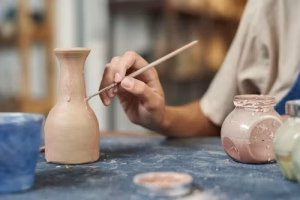
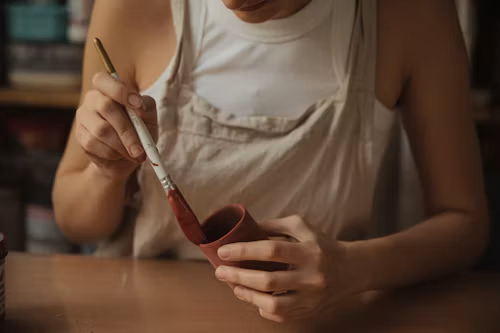
Use a clean brush appropriate for acrylic paint and apply a moderate amount of paint to the pot. Work across the surface in manageable sections, spreading the paint rather than leaving thick pools or ridges.
A thin, controlled layer is generally easier to manage than applying a large amount of paint at once. Terracotta can absorb moisture from water-based acrylic paint, so the first layer may not look completely opaque immediately.
Pay attention to transitions between sections. Try to keep the application reasonably even so that obvious brush marks, thick edges, or uncovered patches do not become part of the background.
Check the coverage after drying
Allow the first coat to dry according to the acrylic paint manufacturer’s instructions. Do not decide that the coverage is inadequate while the paint is still wet, because its appearance can change as it dries.
Once dry, inspect the pot under normal lighting. Look for areas where the terracotta color shows through more strongly, thin patches, or noticeable differences in coverage.
If the surface looks sufficiently even for your design, you can move on to the next painting stage. If it still looks patchy, apply another thin layer rather than compensating with one very heavy application.
Apply another coat if needed
A second base coat may be useful when the first layer does not provide the appearance you want. The need depends on factors such as the acrylic paint, base color, terracotta surface, application method, and desired opacity.
Let the first layer dry before adding another. Apply the additional coat evenly and allow it to dry before evaluating the result again.
Do not assume that every pot requires the same number of coats. The goal is an even, usable background for the design, not a predetermined coat count.
Make sure the base coat is ready for painting
Before adding decorative details, check that the base coat is dry and no longer tacky. The surface should also look sufficiently even for the design you plan to apply.
Check out how to apply acrylic paint to terracotta pots?
Common Base-Coat Mistakes
Understanding common application problems makes it easier to achieve consistent coverage and avoid unnecessary extra work. Here’s what to watch for and how to address each issue.
Applying too much paint at once
A heavy application can make the surface harder to manage and may leave visible buildup. Instead, spread the paint evenly and build coverage gradually when necessary.
Painting over a damp surface
Moisture in the pot can interfere with the painting process because terracotta is porous. Make sure the pot has dried sufficiently before applying the base coat rather than trying to seal in residual moisture with paint.
Judging coverage while the paint is wet
Wet acrylic paint can look different from the dried layer. Wait until the coat has dried according to the manufacturer’s guidance before deciding whether another layer is needed.
Starting details before the background is ready
Decorative lines and shapes are easier to control when the base surface is dry and reasonably even. If the background is still tacky or has obvious thin areas, finish the base coat first.
Understanding common application problems makes it easier to achieve consistent coverage and avoid unnecessary extra work. Here’s what to watch for and how to address each issue.
Should You Base Coat the Entire Terracotta Pot?
If the finished design covers the entire visible exterior, coating the whole exterior can provide a consistent background. If only certain areas will be painted, you may not need to cover every part of the pot.
Consider the final design before applying the base coat. The areas that will remain terracotta can be left unpainted if that is intentional. Also consider whether the pot will be planted and how the painted areas relate to the pot’s intended use.
What Happens After the Base Coat?
Once the base coat is dry and suitable for further painting, you can begin adding your main design, shapes, patterns, or details. Keep the decorative layers compatible with the materials and preparation already used.
Check out our painting basics guide to paint terracotta pots with acrylics.
FAQs About Applying a Base Coat to Terracotta Pots
These answers address common questions about base coats, acrylic paint, and preparing terracotta pots for decorative painting.
Do terracotta pots need a base coat before acrylic painting?
No. A base coat is not mandatory for every acrylic-painted terracotta pot. You can paint directly onto a prepared surface when that suits your design. A base coat is useful when you want a consistent background color or need a foundation beneath decorative colors and patterns.
What color should I use for a terracotta pot base coat?
Choose a color that supports your intended design and the amount of background you want visible. Light colors can create a bright foundation, while darker shades can become part of the finished design. The best choice depends on your colors, pattern, and desired overall appearance.
How many base coats should a terracotta pot have?
There is no universal number of base coats for every terracotta pot. Apply the first layer, let it dry, and assess its coverage. If the terracotta still shows through more than you want, add another thin layer and allow it to dry before continuing.
Can I apply a base coat without priming terracotta?
Yes. Acrylic paint can be applied to suitably prepared terracotta without primer, depending on the intended result and paint manufacturer’s guidance. However, priming is a separate preparation choice that can affect the surface and paint application. Follow the instructions for any primer you choose to use.
Check out how to get smooth acrylic paint coverage on terracotta?
Should I sand between base coats on a terracotta pot?
Usually, sanding between base coats is unnecessary if the surface is already smooth and the paint has been applied evenly. If a dried layer contains unwanted roughness or raised imperfections, lightly addressing the problem may help, but avoid unnecessary sanding that removes the coating.
With these questions answered, you can choose a suitable base color, apply the paint in controlled layers, and prepare the pot for its next painting stage.
Final Verdict
- Start with a clean, dry, prepared terracotta pot.
- Select a base color that suits the final design.
- Apply acrylic paint in a controlled, even layer rather than using excessive paint.
- Let each coat dry according to the paint manufacturer’s instructions.
- Add another thin coat only when the coverage or appearance requires it.
- Begin decorative painting only when the base coat is dry and ready for the next layer.