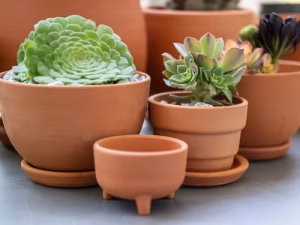
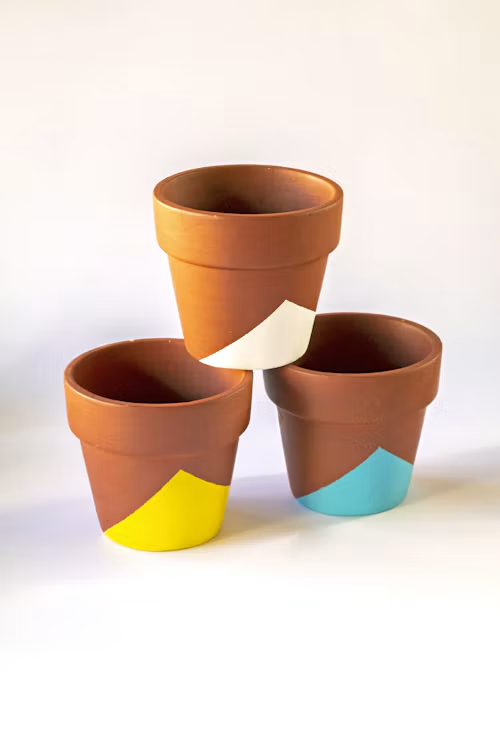
Choosing acrylic paint for terracotta pots is easier when you match the paint to the pot’s surface, where the pot will be used, and the finish you want. The best acrylic paint for terracotta pots is not necessarily the most expensive option; it should suit porous terracotta and the conditions the finished pot will face.
Key Takeaways
Choosing acrylic paint involves more than picking your favorite color. The following sections explain the paint types, finishes, coverage, and product features to consider before painting terracotta pots.
- Look for an acrylic paint intended for the type of surface and use you have in mind.
- Choose artist, craft, or other acrylic paint based on the finish, coverage, color range, and intended application rather than the label alone.
- Indoor decorative pots generally have fewer demands than pots exposed to rain, sunlight, or repeated moisture.
- Terracotta is porous, so paint selection works together with surface preparation and drying.
- If the pot will be outdoors, check the paint manufacturer’s information for exterior suitability rather than assuming any acrylic paint is weather-resistant.
- Paint intended for decorative surfaces should not automatically be treated as plant-safe, food-safe, or waterproof.
Before selecting a specific product, consider how the different paint types and their characteristics affect your project.
Start With How The Terracotta Pot Will Be Used
The first decision is not the color or brand. It is the environment in which the painted pot will be kept.
An indoor decorative pot has different requirements from a pot that will sit outside in rain and direct sunlight. A planted pot can also experience repeated moisture from watering, particularly around the lower portion of the pot.
For a pot that will remain indoors and mainly serve as decoration, you can concentrate on qualities such as color, opacity, finish, and ease of application.
For an outdoor pot, read the manufacturer’s information more carefully. Look for acrylic paint that is specifically described as suitable for exterior or outdoor applications when that is part of your intended use. Do not assume that the word “acrylic” by itself means the paint will withstand weather.
Choose A Paint Designed For Your Intended Surface
Acrylic paints are available for different purposes, including fine art, craft projects, decorative painting, and other applications. They can differ considerably in formulation, consistency, pigmentation, finish, and recommended surfaces.
For terracotta, choose a product whose instructions are compatible with the surface or with porous masonry-type or craft surfaces where applicable. If the manufacturer lists recommended surfaces, use that information rather than relying only on general assumptions about acrylic paint.
Terracotta absorbs moisture because it is porous. That makes surface condition particularly relevant. Dust, loose particles, salts, or residual moisture can interfere with the result regardless of how good the paint is.
For that reason, choosing paint is only one part of preparing the pot. Clean and dry the terracotta before painting.
Decide Between Artist And Craft Acrylic Paint
Both artist acrylics and craft acrylics can be useful for terracotta pot painting, but they are designed with somewhat different priorities.
Craft acrylic paint is often convenient for decorative pot projects because it is readily available in many colors and is commonly formulated for general decorative applications. It can be a practical choice when you want straightforward coverage and a broad selection of colors.
Artist acrylic paint is generally designed with greater emphasis on pigment quality, color characteristics, and artistic applications. It can make sense when accurate color mixing, pigmentation, or a particular artistic finish matters more than buying a large selection of inexpensive colors.
Neither category automatically makes one product the best acrylic paint for terracotta pots. The better choice depends on the project and the manufacturer’s stated surface recommendations.
Consider Paint Consistency And Coverage
Paint consistency affects how easily you can apply a smooth, even layer to a porous pot.
Very fluid paint can spread easily, but it may not provide the coverage you want in one application. A thicker acrylic can provide stronger coverage, although it still needs to be applied appropriately to avoid unwanted texture or visible brush marks.
If you are painting a large area of terracotta, coverage becomes more important because a highly absorbent surface can make thin applications look uneven.
For detailed designs, however, you may prefer a paint that gives you enough control for lines, shapes, and small decorative elements.
Check out our guide on materials and tools for the acrylic painting on terracotta.
Choose The Finish Based On The Appearance You Want
Acrylic paints can produce different visual finishes, depending on the product. Common choices include matte, satin, and glossy finishes.
Matte finishes have little surface sheen and can work well when you want a softer, understated appearance.
Satin finishes provide some sheen without the stronger reflection associated with a glossy surface.
Gloss finishes have a more reflective appearance and can make colors appear visually stronger or more polished.
The finish is primarily an appearance decision unless the manufacturer specifies additional performance characteristics. Do not assume that a glossy acrylic is automatically more waterproof or weather-resistant simply because it dries with a hard-looking surface.
Choose Colors According To The Design, Not Just The Label
For a simple terracotta pot, you may only need a few colors. A white or light base can be useful for designs that need a clean background, while darker colors can provide contrast against the original orange-brown terracotta.
If you plan to mix colors, consider buying a smaller selection of versatile colors rather than many nearly identical shades. This gives you more control over the final palette and reduces unnecessary paint.
Opaque colors can be useful when you want to cover the terracotta strongly. More transparent colors may be better for effects where you want some of the original surface to remain visible.
Check the actual paint description or manufacturer’s information when opacity matters. Color names alone do not tell you how strongly a particular acrylic will cover terracotta.
Check Whether The Paint Is Suitable For Outdoor Use
Outdoor use deserves separate consideration because the painted pot may encounter sunlight, rain, humidity, temperature changes, and repeated wetting and drying.
If your pot will be exposed to these conditions, select paint according to the manufacturer’s exterior-use guidance. Check whether the product is specifically recommended for outdoor applications and follow any preparation or finishing instructions supplied with it.
Avoid treating general acrylic paint as automatically weatherproof. Likewise, do not assume that an outdoor-rated product will remain unchanged indefinitely under every combination of sunlight, rain, watering, and temperature.
For a planted outdoor pot, consider the whole system: the terracotta, paint, any additional finish, drainage, and the conditions around the pot. Paint selection alone cannot guarantee long-term performance.
Do Not Choose Paint Based Only On Waterproofing Claims
Water resistance, waterproofing, and weather resistance are not interchangeable terms.
A product may tolerate occasional moisture without being intended for continuous outdoor exposure. A painted pot can also encounter water from several directions, including rain, watering, condensation, and moisture moving through porous terracotta.
If resistance to moisture matters for your project, read the manufacturer’s specific claims and instructions. Do not rely on assumptions based on the paint being acrylic, thick, glossy, or marketed as durable.
If you need to protect the finished surface, that becomes a separate decision about sealing and finishing rather than a reason to select paint based on an unsupported waterproofing assumption.
Check out how to choose acrylic paint for outdoor terracotta pots?
Consider How Much Paint You Actually Need
The amount of paint required depends on the pot’s size, surface texture, color, design, and how much of the original terracotta you want to cover.
A small decorative design may require very little paint, while a full-color exterior can use considerably more. Porous terracotta can also affect how the first applications look.
For a single project, buying several large containers may be unnecessary. If you regularly paint pots, however, larger sizes of frequently used colors may be more practical.
Use the coverage information supplied by the manufacturer when available, but treat it as an estimate rather than a guarantee for terracotta. Actual coverage can vary with the surface and application method.
Check The Manufacturer’s Instructions Before Buying
Product labels and technical information are more useful than broad claims such as “best paint for pots.”
Before choosing a particular acrylic, check:
- Recommended surfaces
- Indoor or outdoor suitability
- Finish
- Application instructions
- Drying and curing guidance
- Recommended preparation
- Any limitations or precautions
- Whether a separate sealer or finish is recommended
This is especially important when the pot will be outdoors or used with plants. Do not assume that decorative paint is suitable for contact with soil, edible plants, animals, or food unless the manufacturer specifically states that it is.
Match The Paint Choice To Your Project
A simple decision can narrow the options quickly:
| Your project | What to prioritize |
|---|---|
| Indoor decorative pot | Color, coverage, finish, ease of application |
| Detailed painted design | Consistency, pigmentation, color selection, control |
| Full-color pot | Coverage and suitable surface preparation |
| Outdoor decorative pot | Manufacturer-confirmed exterior suitability and appropriate finish |
| Planted pot | Intended environment, moisture exposure, and manufacturer guidance |
| Frequently handled pot | Suitable paint system and finishing instructions |
The “best” acrylic paint is therefore the one that meets the actual demands of your pot rather than the one with the most impressive general-purpose description.
FAQs About Choosing Acrylic Paint for Terracotta Pots
Here are answers to common questions about acrylic paint types, outdoor suitability, waterproofing, and choosing paint for terracotta pots.
What type of acrylic paint is best for terracotta pots?
Acrylic paint suitable for the intended surface and conditions is the best choice for terracotta pots. For indoor decorative projects, prioritize coverage, color, finish, and application. For outdoor pots, choose a product specifically recommended by its manufacturer for exterior use and follow its preparation and finishing instructions.
Can you use craft acrylic paint on terracotta pots?
Yes. Craft acrylic paint can be suitable for decorative terracotta pots when the product is intended for the surface and conditions involved. Check its label or manufacturer information, particularly for outdoor use. Surface preparation still matters because terracotta is porous and can contain dust or moisture.
Is artist acrylic paint better than craft acrylic for terracotta?
No. Artist acrylic paint is not automatically better for terracotta. Artist paints can be advantageous when pigment quality, color mixing, or specific artistic properties matter, while craft acrylics can be convenient for decorative projects. Choose according to the surface, intended use, finish, coverage, and manufacturer’s guidance.
Do I need outdoor acrylic paint for a terracotta pot?
Yes, if the pot will be exposed outdoors, choose paint that the manufacturer specifically recommends for exterior use. Outdoor conditions can include sunlight, rain, humidity, and repeated wetting. General-purpose acrylic paint should not be assumed to withstand those conditions simply because it is acrylic.
Should acrylic paint be waterproof for a terracotta pot?
No. Waterproofing is not automatically required for every painted terracotta pot, particularly indoor decorative pots. If the pot will encounter frequent moisture or outdoor exposure, check the manufacturer’s claims about water and weather resistance and follow its recommended finishing system rather than assuming acrylic paint is waterproof.
Final Verdict
Keep these practical points in mind when choosing acrylic paint for your next terracotta pot project.
- Choose acrylic paint according to where the terracotta pot will be used and how much moisture and weather exposure it will receive.
- Craft and artist acrylics can both be useful; neither category is automatically the best.
- Consider coverage, consistency, color, and finish when selecting paint for a decorative design.
- For outdoor pots, rely on explicit manufacturer guidance for exterior suitability rather than assuming acrylic paint is weather-resistant.
- Prepare the porous terracotta properly before painting, because paint selection cannot compensate for a dirty or damp surface.
- Treat sealing, waterproofing, plant-related suitability, and weather resistance as separate questions that require product-specific guidance.