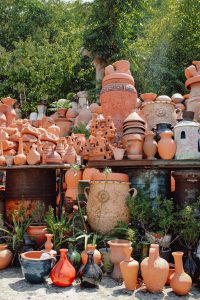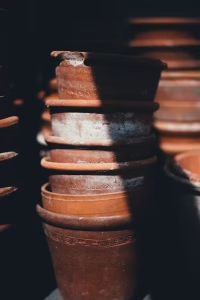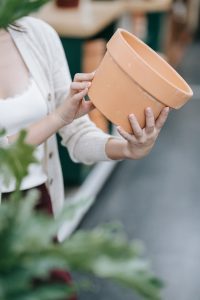
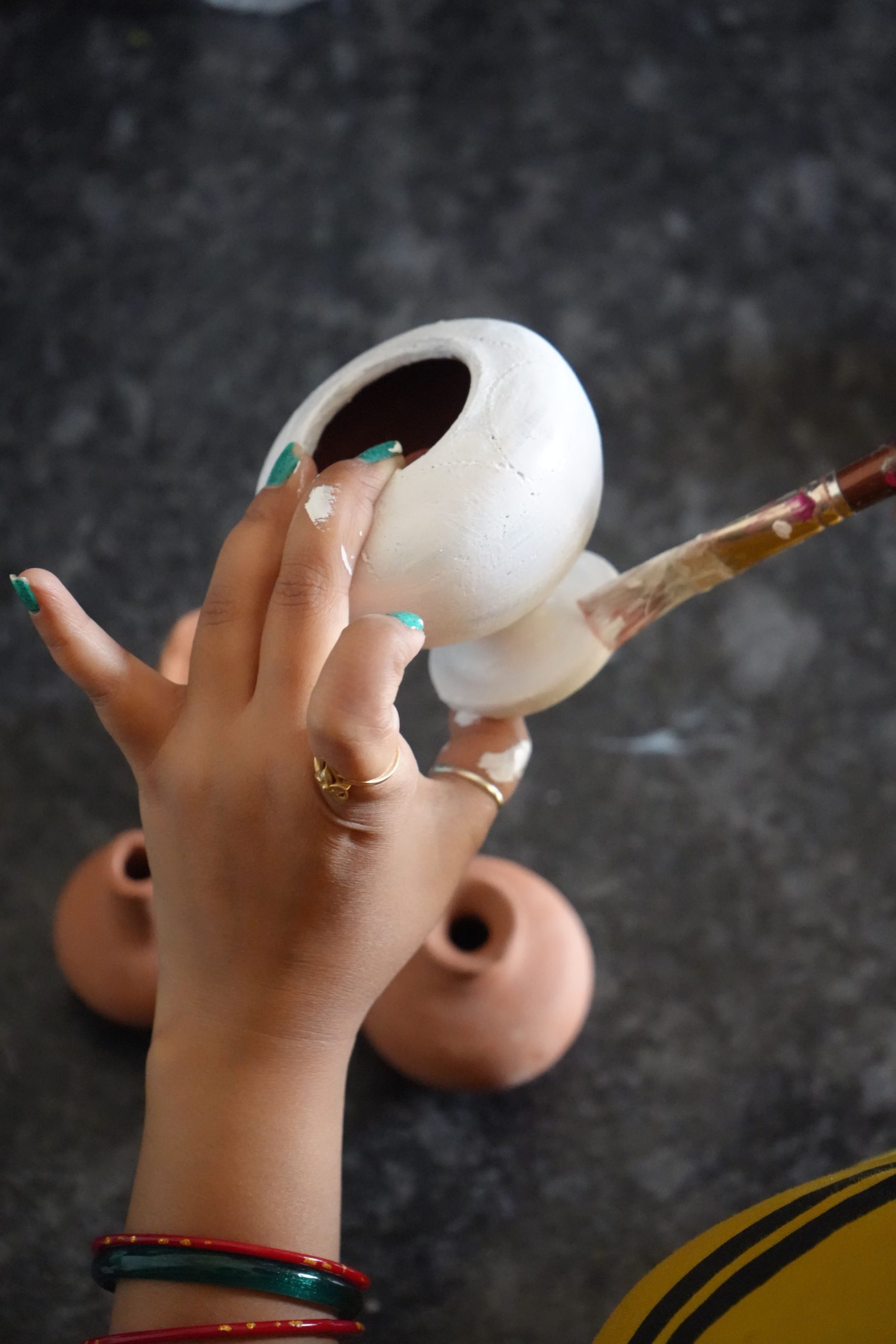
Priming terracotta pots before acrylic painting can help create a more consistent surface for paint application, particularly because porous clay absorbs coatings differently from smooth materials. This guide explains how to prepare terracotta pots, choose a suitable primer, apply it correctly, and determine when the surface is ready for acrylic paint.
Key Takeaways
Before priming your clay pot, understand these practical points:
- Priming can help create a more uniform painting surface on porous terracotta.
- Clean and thoroughly dry the pot before applying primer.
- Choose a primer compatible with terracotta and your intended acrylic paint.
- Apply primer evenly without unnecessary buildup.
- Follow the manufacturer’s application, drying, and curing instructions.
- Consider whether the pot will be decorative, planted, or exposed to outdoor conditions.
- Priming is not always necessary for every acrylic painting project.
These points help you decide whether priming is appropriate and prepare the pot for the next stage.
How to Prime Terracotta Pots for Acrylic Painting?
Priming creates a prepared surface between the terracotta and acrylic paint. Because clay pots are porous, their surfaces may absorb coatings unevenly. A suitable primer can help make the painting surface more consistent, although results depend on the pot, primer, and intended finish.
The following process explains how to prepare and prime a terracotta pot without assuming that every product requires the same application method or number of coats.
Clean the terracotta pot first
Remove dust, dirt, loose particles, and other surface residue before applying primer. A clean surface allows the primer to contact the terracotta more consistently.
Avoid applying primer over loose material or an unnecessarily dusty surface. These contaminants can interfere with the coating’s contact with the pot.
Once cleaning is complete, allow the pot to dry thoroughly.
Make sure the pot is completely dry
Terracotta can retain moisture inside its pores, even when the outside appears dry. Applying primer before the pot has dried sufficiently may interfere with coating performance.
Consider how recently the pot was washed, its thickness, surrounding humidity, and airflow.
Follow the primer manufacturer’s surface-preparation requirements. Do not assume that a pot is ready simply because it feels dry to the touch.
Choose a compatible primer
Select a primer whose instructions support use on terracotta or an appropriate comparable porous surface.
The primer should also be compatible with the acrylic paint you intend to apply afterward.
Consider the intended use:
- Decorative indoor pots: Choose a primer suitable for the surface and intended decorative finish.
- Outdoor pots: Check whether the primer and subsequent coatings are intended for the exposure conditions.
- Planted pots: Consider whether the coating system is appropriate for the pot’s intended use and avoid assuming that a general-purpose primer is suitable for every planting situation.
Primer formulations differ, so there is no universal product that automatically suits every terracotta painting project.
Check out how to sand terracotta pots before painting?
Apply the primer evenly
Use the application method recommended by the manufacturer, such as a suitable brush or roller.
Work across the pot’s surface and pay attention to rims, recessed areas, and textured sections.
Terracotta may absorb the first application differently from a smooth surface. Avoid compensating by applying an excessively thick layer.
Heavy buildup can create an uneven finish and may affect drying.
Follow the product instructions for application thickness, additional coats, and drying requirements.
Check the surface before painting
After the primer has dried according to its instructions, inspect the pot.
Look for:
- Areas that appear unevenly covered.
- Visible untreated sections.
- Excessive primer buildup.
- Surface irregularities that may affect your painting technique.
The surface should be suitable for the finish you want to create.
If the manufacturer recommends another coat or sanding between applications, follow that guidance.
Do not begin painting simply because the primer feels dry if the product instructions require additional drying or curing.
Apply acrylic paint after the primer is ready
Once the primer is ready according to its manufacturer’s instructions, begin applying acrylic paint.
Priming can help provide a more consistent painting surface, but it does not replace cleaning, drying, or choosing compatible materials.
Check out how to dry terracotta pots properly before painting?
Do You Always Need Primer on Terracotta Pots?
Primer is not automatically necessary for every acrylic-painted terracotta pot. Some projects can be painted directly onto properly prepared terracotta, while others benefit from priming for a more consistent painting surface.
The decision depends on the pot’s condition, desired finish, paint system, and product instructions.
If you are unsure whether priming is necessary, check the acrylic paint manufacturer’s recommendations and consider the surface you want to achieve.
What Happens If You Prime a Damp Terracotta Pot?
Priming a damp terracotta pot can interfere with how the coating behaves because porous clay may retain moisture within its pores.
The outcome depends on the primer, moisture level, and environmental conditions.
Allow the pot to dry thoroughly before priming and follow the manufacturer’s surface-preparation requirements.
Can You Use Any Primer Before Acrylic Paint on Terracotta?
No. Primers differ in their intended surfaces and compatibility with subsequent coatings.
Choose a product whose instructions support use on terracotta or a suitable comparable surface and indicate compatibility with acrylic paint.
Follow the manufacturer’s preparation, application, drying, and recoat instructions rather than assuming that every primer works the same way.
How Many Coats of Primer Should a Terracotta Pot Have?
There is no universal number of primer coats for every terracotta pot.
Porosity, primer formulation, application thickness, and the desired surface all affect coverage.
Follow the manufacturer’s instructions instead of applying a fixed number of coats. Add another coat when the product guidance or surface condition calls for it.
Should You Sand Primer Before Painting a Terracotta Pot?
Not always. Some primers are designed to accept paint without sanding, while others recommend sanding between coats or before applying another coating.
Check the primer manufacturer’s instructions first.
Check out how to clean terracotta pots before painting?
If sanding is recommended, follow the specified method and surface requirements rather than sanding automatically.
FAQs About Priming Terracotta Pots for Acrylic Painting
These additional questions address common decisions about priming clay pots and preparing them for acrylic paint.
Can I paint terracotta pots without primer?
Yes. You can paint properly prepared terracotta without primer when your acrylic paint and intended finish allow it. However, porous clay may absorb paint unevenly. Consider the pot’s condition, desired coverage, and paint manufacturer’s instructions before deciding whether priming would improve the surface.
Is primer necessary for outdoor terracotta pots?
No. Outdoor terracotta pots do not automatically require primer, but the coating system should suit the intended exposure. Rain, sunlight, moisture, and temperature changes can affect performance. Check the primer and paint instructions for outdoor suitability, and do not assume that priming alone makes a pot weatherproof.
Can I use white primer on terracotta pots?
Yes. White primer can be suitable when its manufacturer supports the surface and confirms compatibility with your acrylic paint. It may also provide a lighter base for your design. Check the product instructions and consider how the primer’s color will influence your intended painted finish.
How long should primer dry before acrylic painting?
Follow the primer manufacturer’s stated drying and curing requirements. Drying time varies with formulation, application thickness, temperature, humidity, and airflow. A surface that feels dry may not be ready for another coating. Check the product instructions before applying acrylic paint or additional primer.
Should I seal a primed terracotta pot before painting?
No. Priming and sealing serve different purposes, and an additional coating is not automatically necessary between primer and acrylic paint. Follow the primer manufacturer’s instructions for the next coating. If you intend to seal the finished pot, choose a compatible product suited to its intended use.
Before you start painting, learn how to prepare your terracotta pots for a smooth, lasting finish.
Final Verdict
Use these practical points when preparing terracotta pots for acrylic painting:
- Clean the pot and remove surface residue before priming.
- Allow the porous clay to dry thoroughly.
- Choose a primer compatible with terracotta and acrylic paint.
- Apply primer according to the manufacturer’s instructions.
- Inspect the surface before beginning acrylic painting.
- Consider the pot’s intended use when selecting coatings.
- Remember that priming is useful for some projects but not a universal requirement.
A clean, dry, appropriately prepared terracotta surface gives you a better starting point for acrylic painting. Choose materials according to their instructions and the finish you want to achieve.